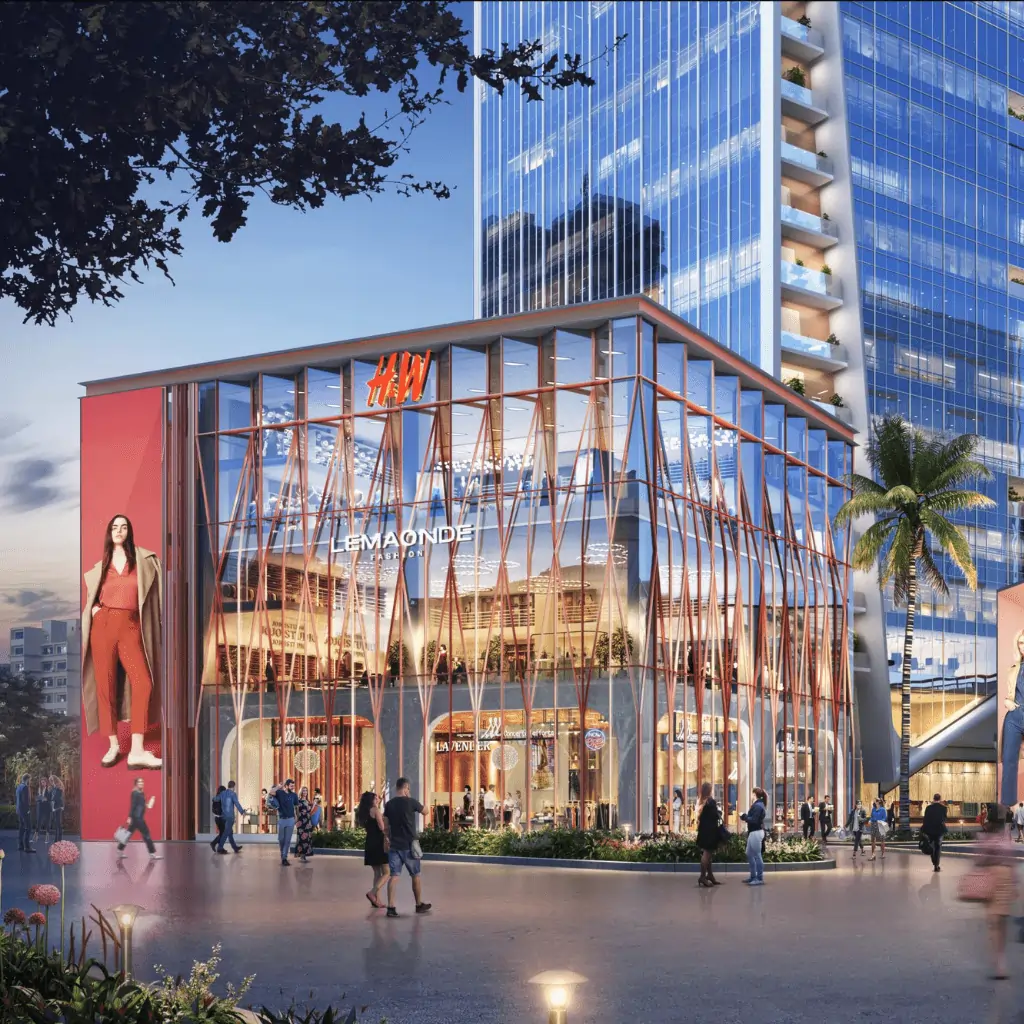
Where Retail Meets Remarkable Experiences
Business strategy is often associated with innovation, leadership, technology, and customer experience. Yet, one element quietly influences all these factors without receiving the same attention, the environment in which a business operates.
A commercial address is no longer just where an organisation functions. It influences how clients perceive a brand, how employees experience their workday, and how efficiently daily operations unfold. As businesses become more experience-oriented, commercial real estate has evolved into a strategic business decision rather than a purely financial one.
This shift is especially evident among growing enterprises that understand the relationship between environment and performance. While location remains important, companies are now asking broader questions. Does the workplace inspire confidence? Does it simplify everyday operations? Does it encourage interaction without compromising professionalism? Can it support the organisation not only today but also five or ten years from now?
These considerations have transformed the way buyers evaluate a commercial property for sale. Ownership is no longer viewed as the final objective. Instead, organisations seek commercial assets capable of supporting reputation, operational efficiency, and long-term adaptability.
One of the most significant developments in commercial planning has been the recognition that people rarely experience a property in isolated moments. Employees arrive, meet colleagues, welcome clients, take breaks, explore nearby services, and leave after completing a series of interconnected activities. Every stage contributes to their perception of the workplace.
Commercial destinations that acknowledge this daily rhythm naturally become more functional. Wide circulation areas, intuitive layouts, welcoming public spaces, and complementary retail offerings are no longer aesthetic additions; they are practical features that influence convenience and productivity.
This perspective has also reshaped expectations surrounding retail space in Noida. Retailers increasingly understand that successful trading environments depend on consistent engagement rather than occasional crowds. A well-balanced commercial destination creates opportunities throughout the day by serving professionals, business visitors, entrepreneurs, and surrounding communities within a single integrated setting.
Rather than relying solely on promotional events or seasonal demand, retailers benefit from an environment where everyday activity sustains customer interaction. This creates greater stability for businesses while enriching the overall experience for visitors.
Another emerging trend is the growing importance of professional identity. In an increasingly competitive marketplace, businesses recognise that their surroundings communicate values before any conversation begins. A thoughtfully designed commercial environment reflects attention to quality, organisation, and credibility, reinforcing confidence among clients, partners, and prospective employees.
This is where developments such as ONE FNG demonstrate the changing priorities of commercial real estate. Instead of focusing exclusively on physical infrastructure, the project has been planned to support the broader requirements of contemporary businesses. Offices, retail opportunities, shared spaces, and efficient circulation work together to create an environment where commercial activity feels organised, accessible, and engaging.
Importantly, this approach benefits organisations of varying scales. Established corporations gain an address that complements their professional image, while emerging enterprises become part of a destination that enhances visibility and business interaction. Retailers, meanwhile, operate within an environment designed to encourage regular movement and prolonged visitor engagement.
Sustainability further strengthens the relevance of integrated commercial developments. Businesses increasingly prefer environments that support responsible resource management, efficient infrastructure, and healthier workplaces. These considerations extend beyond environmental responsibility; they also contribute to operational efficiency and long-term asset value.
As urban business districts continue to evolve, flexibility will remain one of the defining characteristics of successful commercial developments. Organisations require spaces capable of adapting to technological advancement, changing workforce expectations, and evolving customer behaviour. Commercial destinations that accommodate these transitions will continue to attract businesses seeking resilience rather than short-term advantage.
Ultimately, commercial real estate is no longer measured solely by its built-up area or its position on a city map. Its true value lies in the quality of experiences it enables, the confidence it inspires, and the opportunities it creates for businesses to grow.
ONE FNG reflects this contemporary understanding by offering more than individual commercial units. It represents a business destination where thoughtful planning, integrated functionality, and everyday convenience combine to support sustainable commercial success. In an increasingly competitive business landscape, that distinction is becoming one of the most valuable advantages an organisation can possess. The right business destination creates opportunities that continue to grow with every new milestone and achievement and this is what ONE FNG is doing!