Before You Put Money Into Commercial Property, Read This First
Buying commercial property isn’t difficult. What’s difficult is buying it without missing something important. Most decisions go wrong not because of lack of information, but because attention is placed in the wrong areas. People focus on what’s visible; price, location, structure, and overlook what actually determines how the investment performs later.
The first thing to be clear about is your intent. Why are you buying this property? If the answer isn’t specific, everything that follows becomes unclear. Some people buy for rental income, others for appreciation, and some for business use. Each of these requires a slightly different kind of property. A space that works well for one purpose may not perform the same way for another, and that mismatch often leads to disappointment.
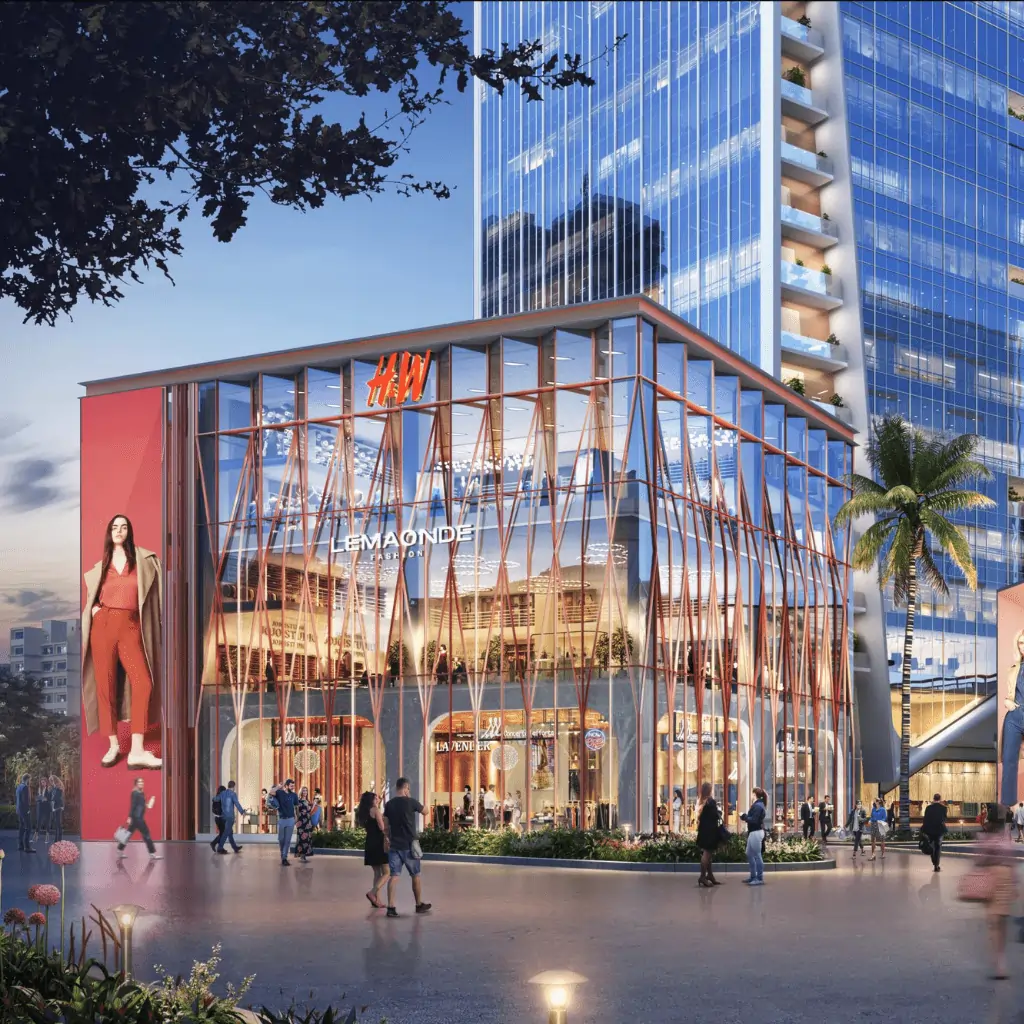
Once that is defined, the next layer is demand. Not assumed demand, not promised demand, actual demand. Are businesses actively looking for spaces in that area, or is the project depending on future expectations? This distinction matters because it affects how soon your investment starts working. Developments like One FNG tend to align with existing business movement rather than waiting for it to develop later, which reduces uncertainty and shortens the gap between purchase and performance.
Location is often treated as a headline factor, but it needs to be understood more practically. Accessibility, consistency of travel time, and surrounding infrastructure all matter more than just the name of the area. A location that looks prime but is difficult to navigate daily can become inconvenient very quickly. Over time, that inconvenience starts affecting both tenant interest and retention.
Another aspect that deserves attention is the type of businesses the property is likely to attract. Not every tenant adds the same value. Some bring stability, others bring short-term occupancy. The mix of tenants within a development influences not only rental income but also the overall perception of the property. A well-balanced commercial environment tends to sustain itself better over time because it creates a steady cycle of activity rather than relying on isolated demand.
Legal clarity is one of those areas that people know is important, yet don’t always examine closely enough. Titles, approvals, compliance, these are not just formalities. Any gap here can create complications later, sometimes at the worst possible time. Taking the effort to verify everything upfront saves far more trouble than it seems, and it gives you confidence in the decision you’re making.
Infrastructure within the property is another factor that reveals its importance only after purchase. Parking, maintenance, common areas, security, these aren’t features, they’re part of the daily experience. A property that manages these efficiently retains its value and remains easier to lease out. When these basics are handled well, everything else begins to feel more reliable.
Financial understanding also needs to go beyond the basic price. What are the expected returns? How stable are they? What are the ongoing costs? Without clarity on these, it’s difficult to evaluate whether the investment actually makes sense. Commercial property often involves higher initial investment, but it also offers stronger returns when chosen correctly and held with patience.
Market conditions should also be considered, but not overanalyzed. Trends can indicate direction, but they shouldn’t replace logic. What matters more is whether the property aligns with how the market is behaving right now and how it is likely to evolve in the near future. A balanced approach helps avoid decisions based purely on hype.
One of the most underestimated factors is the developer behind the project. Execution quality, consistency, and long-term vision all influence how a property performs. A strong developer doesn’t just build a structure, they create an environment that continues to function well over time, even as demand evolves.
What makes ONE FNG relevant in this context is how multiple factors come together rather than relying on a single advantage. Location, accessibility, and demand are aligned in a way that reduces guesswork for the buyer and creates a more dependable investment environment.
In the end, buying commercial property is not about taking a leap, it’s about reducing uncertainty step by step. When you evaluate each aspect carefully, the decision becomes clearer, and the investment becomes more predictable.
Because the difference isn’t in buying property. It’s in buying something that continues to work, long after the purchase is done.