How Value Quietly Builds Where Demand Concentrates
Real estate value rarely announces itself in dramatic ways. It builds quietly, through patterns that repeat, expand, and strengthen over time. What often appears as a simple stretch of road or a cluster of buildings gradually transforms into a commercial hotspot when demand begins to concentrate in one direction. Understanding this slow shift is what separates reactive investment from informed decision-making.
“True real estate value is rarely created overnight, it accumulates where movement, demand, and intent consistently intersect.”
A commercial property in Noida today is no longer evaluated only by its physical structure. Instead, attention has shifted toward how frequently people pass through the area, how long they stay, and what draws them back again. These behavioural patterns have become silent indicators of long-term value creation in urban markets.
Noida’s commercial expansion has followed a distinct pattern, one that is closely tied to infrastructure growth and directional connectivity. As expressways, arterial roads, and metro extensions continue to reshape accessibility, commercial clusters naturally begin forming around these movement corridors. Over time, these clusters evolve into self-sustaining economic pockets.
What makes this evolution particularly interesting is that it is not driven by a single factor. It is the layering of multiple influences, workplaces, retail activity, residential catchments, and social infrastructure that gradually transforms an area into a high-utility zone. Once this layering begins, commercial relevance tends to strengthen rather than fade.
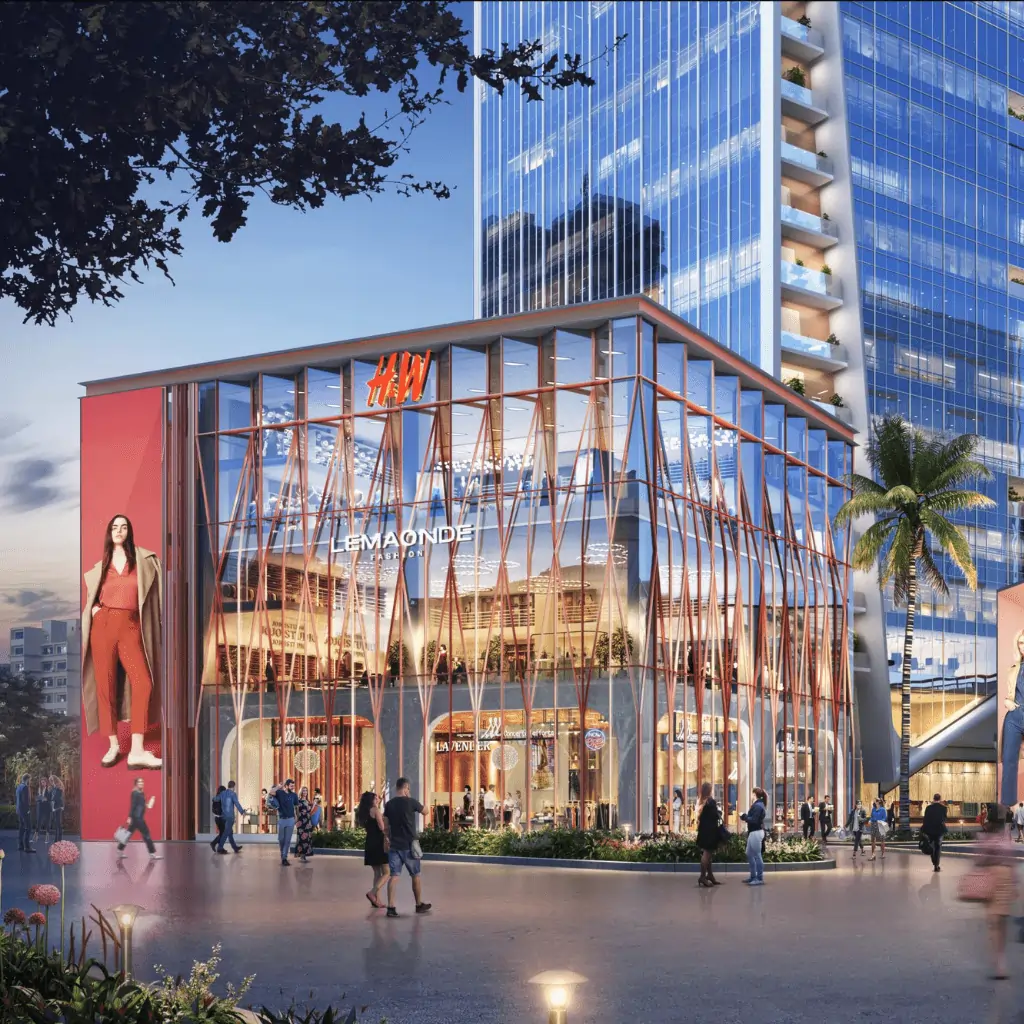
Developments like ONE FNG are positioned within this context of emerging commercial logic. Rather than relying on isolated demand, such projects benefit from being placed within expanding movement networks. This ensures that activity is not limited to specific hours or segments of the day but continues across multiple usage cycles.
Another important factor influencing commercial value is visibility. Not just physical visibility from a road, but functional visibility, how easily a space integrates into people’s daily routes. When a commercial destination naturally fits into routine movement patterns, its engagement levels tend to rise without additional effort or external push.
This is why corridors like the Noida Expressway have gained sustained attention. The interest in office space for sale on Noida Expressway is not only driven by corporate expansion but also by the way the corridor connects residential clusters with employment zones. This dual movement creates continuous interaction, which strengthens commercial performance over time.
However, value concentration is not purely geographical. It is also behavioural. People tend to revisit places that simplify decision-making, whether it is accessibility, convenience, or availability of multiple functions within a single location. Over time, these repeated decisions shape the economic identity of a space.
Modern commercial planning now takes this into account more deliberately. Instead of focusing only on isolated tenancy, developers are increasingly observing how users move within and around a project. This includes entry patterns, dwell time, interaction zones, and exit flows. These micro-level observations often determine the long-term commercial health of a development.
At the same time, residential evolution plays a quiet but significant role in commercial growth. As urban lifestyles become more compact and efficiency-driven, housing preferences are shifting toward smaller, more functional spaces that support mobility and flexibility. This change is visible in the rising demand for studio apartments in Greater Noida West, which align with professionals seeking proximity to work zones and reduced commute dependency.
The relationship between residential density and commercial activity is cyclical. As more people live closer to commercial hubs, daily engagement increases. In turn, this supports retail, services, and office demand, creating a continuous loop of activity. This loop is one of the strongest indicators of long-term value appreciation in urban environments.
ONE FNG and similar developments exist within this broader framework of interlinked growth. Their relevance is not defined by a single advantage but by their position within a continuously evolving ecosystem. As surrounding infrastructure strengthens, these spaces gain additional layers of utility and demand without needing fundamental redesign.
What ultimately defines commercial value is not visibility alone, but consistency of interaction. Spaces that remain relevant across time periods, usage types, and population shifts tend to accumulate stronger market positioning. This is why some locations grow steadily while others plateau despite early attention.
A commercial property in Noida therefore represents more than a physical investment. It reflects participation in a larger pattern of urban behaviour, one that is shaped by movement, convenience, and repeated engagement. Recognizing these patterns early is often what leads to stronger, more resilient investment outcomes in the long run.