Commercial Property, Stripped Down to One Question: Does It Actually Work?
The idea of finding the “best” commercial property often leads people in the wrong direction. They start looking for perfection, perfect location, perfect price, perfect returns. And in that process, they miss something more important: alignment. The right investment isn’t the one that looks flawless on paper; it’s the one that fits how commercial real estate actually performs over time.
The first thing to understand is that commercial property is not passive in the traditional sense. It doesn’t just sit there and wait to appreciate. It functions. It attracts businesses, supports operations, and generates income based on how well it does those two things. So instead of asking whether a property is good, the better question is whether it works.
Location is still critical, but not in the exaggerated way it’s often presented. Being in a “prime” area means very little if that location doesn’t support consistent business activity. What matters more is whether the area has a steady flow of people, reliable connectivity, and a surrounding ecosystem that keeps it active throughout the day. The Noida Expressway, for example, has become one of those corridors where movement feels structured rather than chaotic, which directly benefits commercial setups.
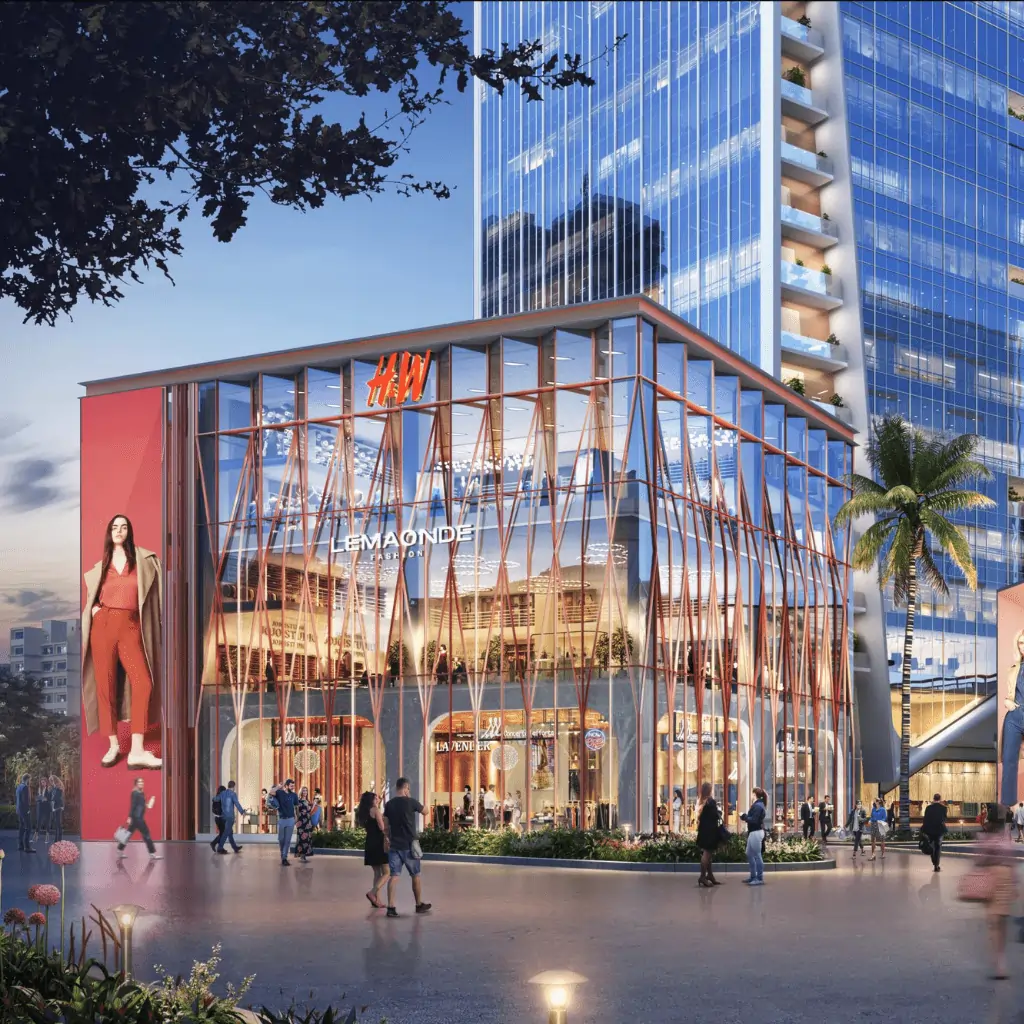
Developments like One FNG stand out because they are not positioned randomly, they align with this kind of functional location. Offices, retail spaces, and accessibility come together in a way that supports actual usage, not just visual appeal. That distinction becomes clearer once businesses start operating within the space rather than just evaluating it.
Another important factor is demand quality. Not all demand is equal. Some areas attract businesses that are temporary or unstable, while others draw companies that are more established and long-term in their approach. The type of tenant a property attracts determines how stable your returns will be. A space that consistently brings in reliable businesses will always outperform one that depends on frequent turnover.
Design efficiency is another area where many investors don’t look closely enough. A property might appear large, but if the layout is inefficient, it reduces usability. Businesses prefer spaces where every square foot serves a purpose. This directly impacts rental value because functional spaces are easier to occupy and retain.
Footfall dynamics also deserve attention, even if you’re investing in office space. Being part of a larger commercial ecosystem, where retail and public activity exist alongside offices, creates a more active environment. It increases visibility, improves engagement, and indirectly strengthens demand across all units within the development. Over time, this shared activity builds momentum that individual standalone properties often struggle to achieve.
Infrastructure within the property is often underestimated. Parking availability, elevator efficiency, maintenance quality, these factors don’t seem critical during purchase, but they become very noticeable during daily use. Properties that handle these basics well tend to retain tenants longer, which reduces vacancy risk and ensures continuity of income.
Financial clarity is another essential piece of the puzzle. Understanding pricing is one thing, but understanding value is something else entirely. What kind of returns can you realistically expect? How stable are those returns? What are the ongoing costs? A clear answer to these questions makes the investment less uncertain and more intentional.
Future growth potential should also be part of your evaluation. Areas that are already functional but still developing often provide the best balance between stability and appreciation. You’re not relying entirely on future promises, but you’re also not entering a saturated market. That middle ground is where long-term investors usually find the most value.
What makes ONE FNG particularly relevant here is its balance. It doesn’t lean too heavily on one advantage. It combines location, accessibility, and usability in a way that supports both current demand and future growth. That balance is what makes a commercial property sustainable rather than temporarily attractive.
At some point, you stop trying to find the “best” option and start recognizing the right one. It’s not about ticking every box, it’s about understanding which factors actually influence performance and which ones are just surface-level distractions.
Because in commercial real estate, the properties that work quietly are usually the ones that perform the longest, and require the least correction over time.